Quality & Ordering · 9 MIN READ
Lace Edges, Hairline and Knot Details: A Sample Review Guide
Review the finished front as a coordinated construction rather than isolated beauty terms.
Why this decision matters
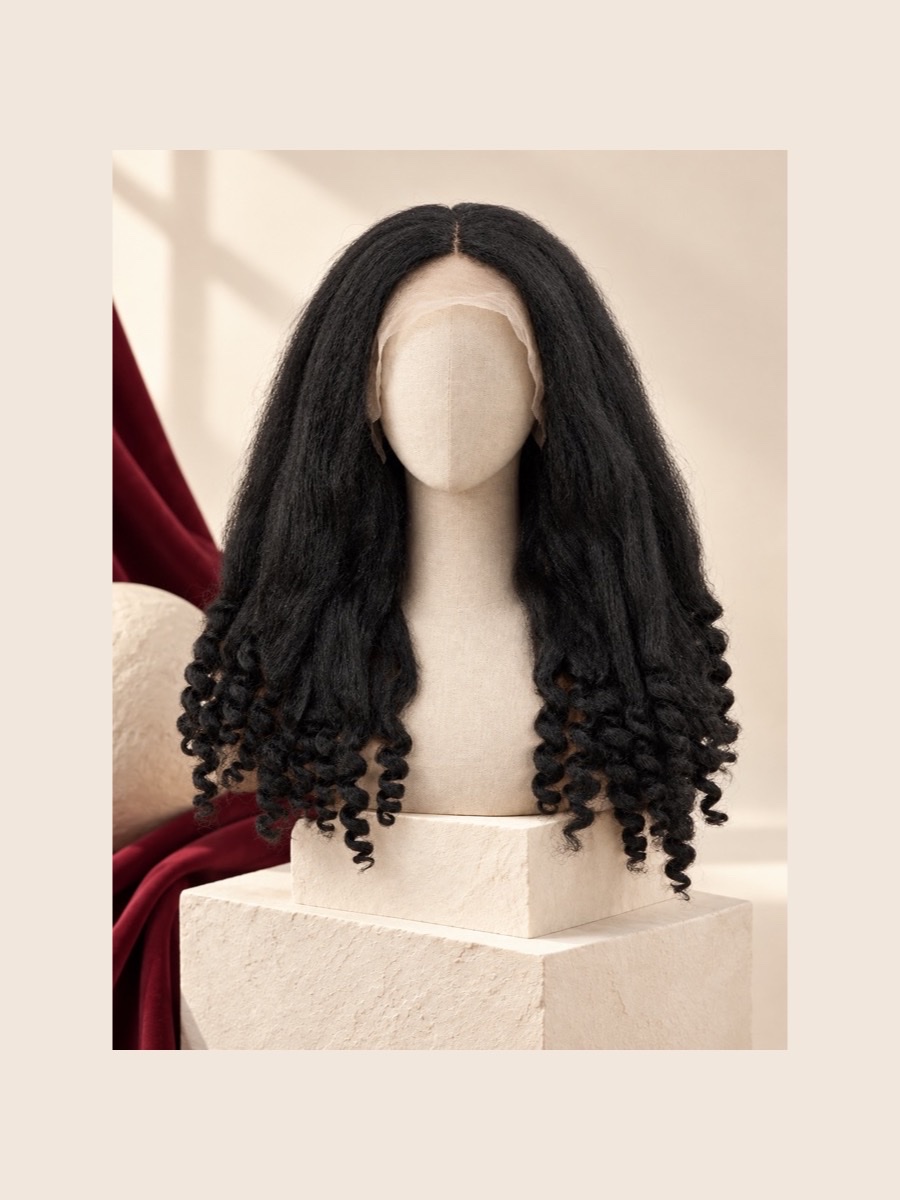
Lace tone, edge shape, ventilation direction, knot visibility and density together create the front appearance. The suitable review differs for synthetic and human-hair products, so bleaching or chemical processing should never be assumed appropriate for every fibre or construction.
For a B2B programme, lace edges, hairline and knot details must become part of a controlled product record. The useful record names the decision, shows the reference used, states what remains open and links the decision to the sample and quotation version. This keeps product, sourcing and sales teams from using the same words for different products.
Build the buyer brief
State the target hairline shape, lace area and tone reference, parting direction, density transition, baby-hair requirement and intended finishing state. If the buyer expects pre-cut or adhesive-ready preparation, define the exact deliverable and care warnings.
The supplier response should separate what is available on an existing platform from what needs development, material confirmation or a new sample. Commercial conditions such as minimum quantity, timing, price and sample cost remain quotation-specific; they should not be inferred from a guide or catalogue image.
What the sample must prove
Review the sample in consistent light against contrasting and skin-like backgrounds. Inspect edge cleanliness, holes or runs, ventilation spacing, abrupt density steps, loose hairs, knot appearance and the strength of the lace-to-cap transition.
Review feedback is strongest when it states the observed result, the requested change and the method that will be used to approve the next version. Measurements, unedited close views and a short decision table are more actionable than adjectives alone. One consolidated response also prevents conflicting instructions from different buyer-side reviewers.
Approval and change control
Approval should pair close-up images with the physical sample and written front specification. Cosmetic edits made for photography must not replace the construction reference used for production.
Before production release, reconcile the physical reference with the latest written specification, SKU matrix and packaging files. Identify any deliberate deviation and confirm who accepted it. This creates a practical basis for incoming review, pre-shipment inspection and later repeat-order comparison without pretending that normal material variation can be eliminated.
Common comparison errors
Buyers often use pre-plucked or invisible lace without defining what those terms mean. Another risk is applying human-hair knot treatments to synthetic fibres or bases that were not designed for them.
A useful corrective action is to return to the agreed product record, identify the missing decision and obtain evidence from the exact sample or material being considered. If a supplier proposes an alternative, record the difference and commercial effect instead of quietly changing the baseline specification.
A practical working example
A lace-front programme can approve three views: dry unstyled front, parted view and inside construction. That set makes later discussions about density, edge shape and ventilation more specific than a retouched model photo.
Use the checklist below as an RFQ and sample-review aid, then adapt it to the selected product and market. Where regulation, labelling or a formal test method matters, the buyer and supplier should confirm the applicable destination requirement and competent testing route instead of treating this editorial guide as legal or laboratory advice.
Buyer checklist
- Lace type and tone
- Front edge shape
- Ventilation direction
- Density transition
- Applicable finishing method
- Unretouched approval views
Decision record
Buyer provides
State the target hairline shape, lace area and tone reference, parting direction, density transition, baby-hair requirement and intended finishing state. If the buyer expects pre-cut or adhesive-ready preparation, define the exact deliverable and care warnings.
Supplier discusses
Lace tone, edge shape, ventilation direction, knot visibility and density together create the front appearance. The suitable review differs for synthetic and human-hair products, so bleaching or chemical processing should never be assumed appropriate for every fibre or construction.
Approval evidence
Approval should pair close-up images with the physical sample and written front specification. Cosmetic edits made for photography must not replace the construction reference used for production.
Still to confirm
Current availability, commercial terms, tolerances, project timing and any destination-specific requirement.
Final specifications, test methods, commercial terms and destination requirements should be confirmed for the actual product and order.