Product Selection · 9 MIN READ
Ponytail Attachments: Comparing Wrap, Claw and Drawstring Designs
Match attachment mechanics to the wearer, weight and retail promise.
Why this decision matters
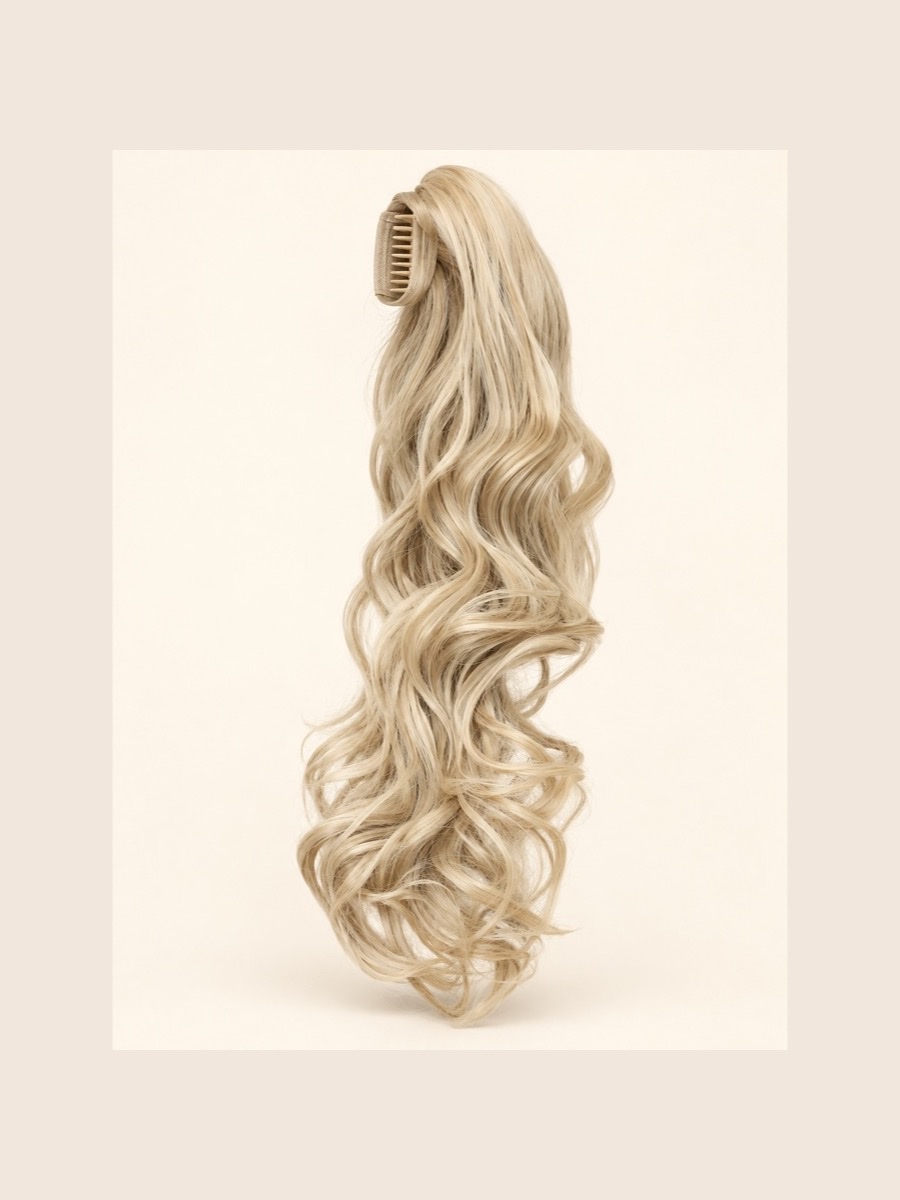
Wrap, claw and drawstring ponytails create different installation steps, weight distribution and security. The chosen method should fit the base hairstyle, unit weight, intended wear duration and skill level of the target customer.
For a B2B programme, ponytail attachments must become part of a controlled product record. The useful record names the decision, shows the reference used, states what remains open and links the decision to the sample and quotation version. This keeps product, sourcing and sales teams from using the same words for different products.
Build the buyer brief
Define the attachment family, comb or clip dimensions, band length, cord and lock, target base size, finished weight, fibre texture and intended instructions. Ask which components are replaceable and how they are protected in packaging.
The supplier response should separate what is available on an existing platform from what needs development, material confirmation or a new sample. Commercial conditions such as minimum quantity, timing, price and sample cost remain quotation-specific; they should not be inferred from a guide or catalogue image.
What the sample must prove
Install the sample on the agreed base style and record time, grip, pressure, balance, concealment and movement. Repeat the installation to inspect clip fatigue, stitching, cord travel, hook-and-loop wear and fibre snagging around hardware.
Review feedback is strongest when it states the observed result, the requested change and the method that will be used to approve the next version. Measurements, unedited close views and a short decision table are more actionable than adjectives alone. One consolidated response also prevents conflicting instructions from different buyer-side reviewers.
Approval and change control
Approve inside and installed views, hardware specification and the instruction sequence. A change in length or fibre weight may require a different attachment even when the outside hairstyle remains similar.
Before production release, reconcile the physical reference with the latest written specification, SKU matrix and packaging files. Identify any deliberate deviation and confirm who accepted it. This creates a practical basis for incoming review, pre-shipment inspection and later repeat-order comparison without pretending that normal material variation can be eliminated.
Common comparison errors
The main error is selecting by appearance alone. A heavy long piece on a small claw or narrow wrap can feel unstable, while a secure design may still be difficult for the intended customer to install.
A useful corrective action is to return to the agreed product record, identify the missing decision and obtain evidence from the exact sample or material being considered. If a supplier proposes an alternative, record the difference and commercial effect instead of quietly changing the baseline specification.
A practical working example
A mixed assortment can use a lightweight claw style for quick wear, a wrap piece for a sleek base and a drawstring unit for fuller textured looks. Each is sampled with its own weight and installation brief.
Use the checklist below as an RFQ and sample-review aid, then adapt it to the selected product and market. Where regulation, labelling or a formal test method matters, the buyer and supplier should confirm the applicable destination requirement and competent testing route instead of treating this editorial guide as legal or laboratory advice.
Buyer checklist
- Target base hairstyle
- Finished unit weight
- Hardware dimensions
- Installation steps
- Security and comfort check
- Packaging protection
Decision record
Buyer provides
Define the attachment family, comb or clip dimensions, band length, cord and lock, target base size, finished weight, fibre texture and intended instructions. Ask which components are replaceable and how they are protected in packaging.
Supplier discusses
Wrap, claw and drawstring ponytails create different installation steps, weight distribution and security. The chosen method should fit the base hairstyle, unit weight, intended wear duration and skill level of the target customer.
Approval evidence
Approve inside and installed views, hardware specification and the instruction sequence. A change in length or fibre weight may require a different attachment even when the outside hairstyle remains similar.
Still to confirm
Current availability, commercial terms, tolerances, project timing and any destination-specific requirement.
Final specifications, test methods, commercial terms and destination requirements should be confirmed for the actual product and order.