Quality & Ordering · 9 MIN READ
Ready-Stock Private Label: What Must Be Confirmed Before Ordering
Use a faster selection route without assuming every variant or packaging option is immediately available.
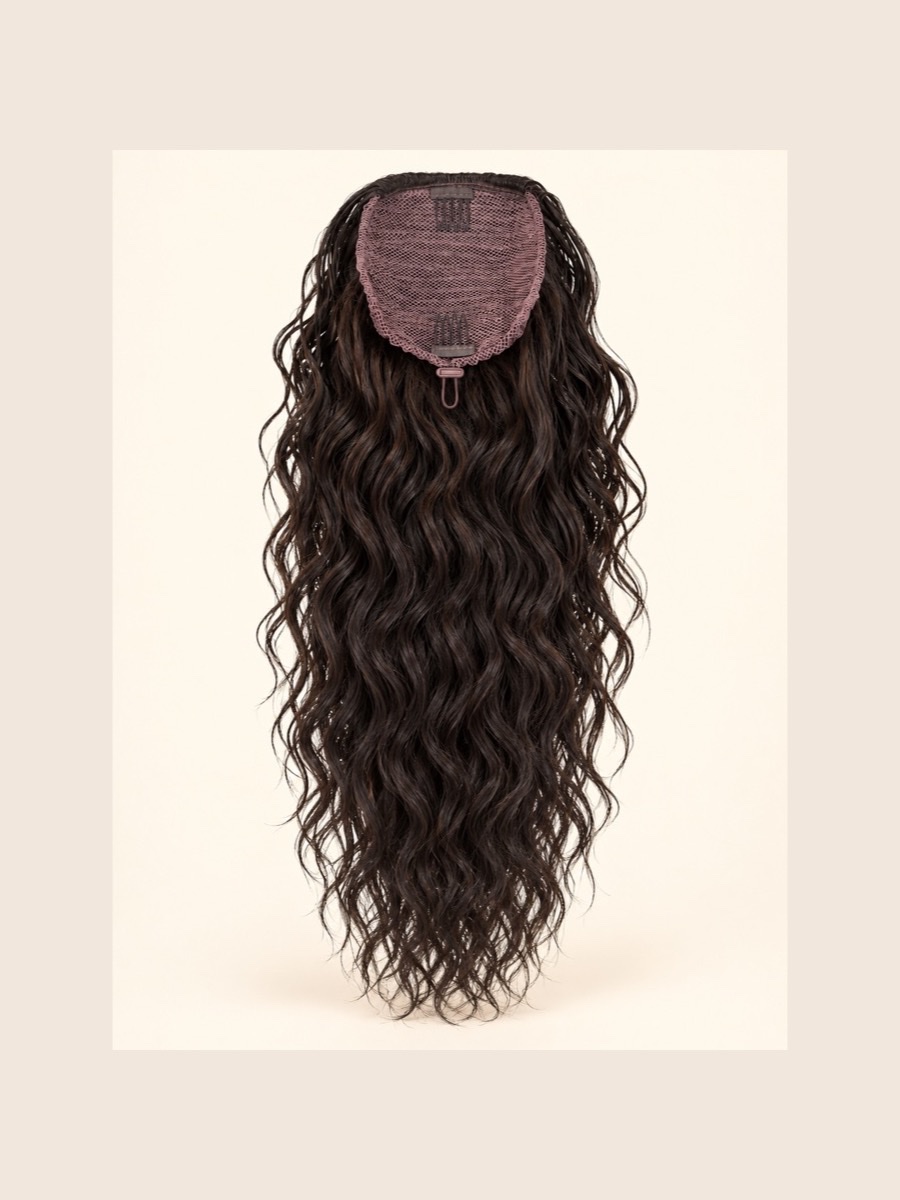
Why this decision matters
Ready stock means selection begins from existing styles rather than full product development. It does not mean every colour, length or quantity is continuously available, and private-label packaging can add separate proof, minimum and timing requirements.
For a B2B programme, ready-stock private label must become part of a controlled product record. The useful record names the decision, shows the reference used, states what remains open and links the decision to the sample and quotation version. This keeps product, sourcing and sales teams from using the same words for different products.
Build the buyer brief
Choose catalogue model, variant, quantity and destination; list required labels, care card, stickers, insert and outer box. Ask for current availability and substitution rules at quotation time.
The supplier response should separate what is available on an existing platform from what needs development, material confirmation or a new sample. Commercial conditions such as minimum quantity, timing, price and sample cost remain quotation-specific; they should not be inferred from a guide or catalogue image.
What the sample must prove
A sample or selected unit should confirm the exact style and variant. Packaging proofs verify artwork and fit. If mixed styles are planned, review each materially different product and the full SKU-to-label matrix.
Review feedback is strongest when it states the observed result, the requested change and the method that will be used to approve the next version. Measurements, unedited close views and a short decision table are more actionable than adjectives alone. One consolidated response also prevents conflicting instructions from different buyer-side reviewers.
Approval and change control
Approve product selection, quantity allocation, packaging files and commercial terms before reservation or production. Reconfirm availability when approvals take time because stock status can change.
Before production release, reconcile the physical reference with the latest written specification, SKU matrix and packaging files. Identify any deliberate deviation and confirm who accepted it. This creates a practical basis for incoming review, pre-shipment inspection and later repeat-order comparison without pretending that normal material variation can be eliminated.
Common comparison errors
The common error is copying a catalogue image into a purchase order without model and specification. Another is calling an item stock while requesting enough colour, fibre or construction changes to create a custom order.
A useful corrective action is to return to the agreed product record, identify the missing decision and obtain evidence from the exact sample or material being considered. If a supplier proposes an alternative, record the difference and commercial effect instead of quietly changing the baseline specification.
A practical working example
A retailer may choose three existing ponytail models, confirm available colours, use one blank box with model stickers and approve one pack-out. Quantity, minimums and timing remain quote-specific.
Use the checklist below as an RFQ and sample-review aid, then adapt it to the selected product and market. Where regulation, labelling or a formal test method matters, the buyer and supplier should confirm the applicable destination requirement and competent testing route instead of treating this editorial guide as legal or laboratory advice.
Buyer checklist
- Exact model and variant
- Current available quantity
- Mixed-style rules
- Label and box scope
- Sample or selected unit
- Availability reconfirmation
Decision record
Buyer provides
Choose catalogue model, variant, quantity and destination; list required labels, care card, stickers, insert and outer box. Ask for current availability and substitution rules at quotation time.
Supplier discusses
Ready stock means selection begins from existing styles rather than full product development. It does not mean every colour, length or quantity is continuously available, and private-label packaging can add separate proof, minimum and timing requirements.
Approval evidence
Approve product selection, quantity allocation, packaging files and commercial terms before reservation or production. Reconfirm availability when approvals take time because stock status can change.
Still to confirm
Current availability, commercial terms, tolerances, project timing and any destination-specific requirement.
Final specifications, test methods, commercial terms and destination requirements should be confirmed for the actual product and order.